
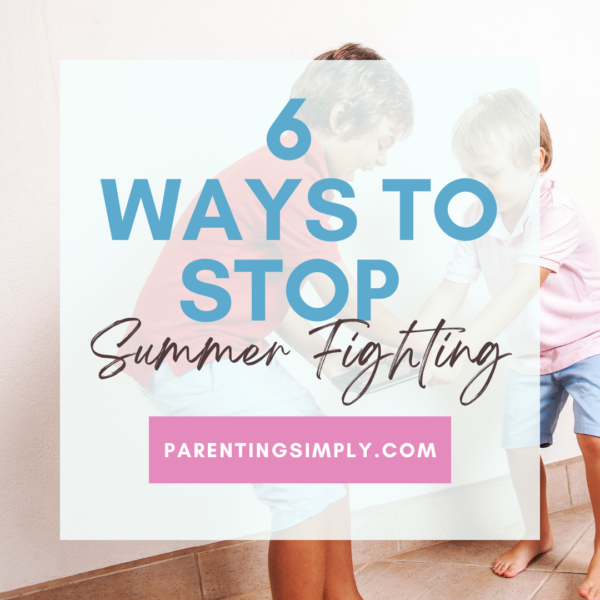
Stop Summer Sibling Rivalry: 6 Simple Strategies That Actually Work
Summer vacation is almost here — and while your kids are counting down the days, you might be quietly counting down to back-to-school. When schedules disappear and siblings spend every waking hour together, sibling rivalry can spike fast. The good news? A few simple strategies can help you stop summer sibling rivalry in its tracks and keep the peace all season long.
Build One-on-One Time Into Your Week
Carve out 10 to 15 minutes a couple of times a week for each child individually. Let them pick the activity — even a simple walk or a card game counts. When kids get the positive attention they need from you, they’re much less likely to seek it out by pestering or provoking their siblings.
Keep a Light Summer Routine
Summertime is wonderful for spontaneity, but kids genuinely do better with a bit of structure. A loose daily rhythm — with consistent times for meals, screen time, outdoor play, and winding down — goes a long way toward reducing friction at home. You can absolutely make bedtime a little later in summer, but having some bedtime still matters. Less tension in the schedule means less tension between siblings.
Schedule Daily Quiet Time
Everyone benefits from a little alone time — especially kids who’ve been together all day. Building in 30 to 60 minutes of quiet, independent time each afternoon (a book, a puzzle, or a favorite quiet toy in their own space) gives siblings a natural breather and helps reset the mood before the evening.
Send Them Outside to Play
Research consistently shows that today’s kids aren’t getting enough time in nature — and that matters more than many parents realize. Outdoor play helps children focus better, strengthens attention skills, and naturally calms the nervous system. All of those things make it easier for kids to solve problems and work through conflicts with their siblings on their own.
Use Positive Language When Sibling Rivalry Flares Up
When your kids are fighting, it’s tempting to say things like, “You two are always fighting!” or “Why can’t you ever get along?” But those kinds of statements can actually reinforce the very pattern you’re trying to break. Instead, try expressing confidence in them:
- “I know you guys can figure this out.”
- “I believe you can find a solution together.”
This kind of language keeps the door open for them to succeed — and it keeps you from accidentally making the conflict worse.
Have a Few Calm, Go-To Phrases Ready
When sibling rivalry escalates, it’s easy to get pulled into the chaos. Having a few short, calm phrases ready ahead of time means you won’t have to think on your feet in the heat of the moment. These work especially well when delivered in a steady, matter-of-fact tone:
- “Use your words, not your hands.”
- “Let’s find a way to calm down first.”
- “We can work this out together.”
The calmer you stay, the faster the energy in the room settles.
Stop Summer Sibling Rivalry With a Little Preparation
Stopping sibling rivalry over summer doesn’t require a perfect plan — it just takes a little intentional structure and a lot of patience. Try one or two of these strategies this week and see how much smoother things start to feel. You’ve got this.
Frequently Asked Questions About Summer Sibling Rivalry
Why does sibling rivalry get worse in the summer?
Summer removes the natural structure of the school day, which means kids spend more unstructured time together. Without built-in breaks from each other — and with boredom added to the mix — conflicts tend to escalate. A loose routine can help significantly.
How do I stop sibling fighting without yelling?
Having a few calm, ready-to-use phrases on hand makes it easier to respond without matching your kids’ energy. Phrases like “Use your words, not your hands” or “We can work this out” signal that you’re in control — and that tends to calm things down faster than yelling.
At what age is sibling rivalry the worst?
Sibling rivalry is most common between ages 3–8, when kids are still developing emotional regulation and social skills. However, rivalry can happen at any age, particularly when kids are bored, tired, or competing for parental attention.
Does one-on-one time with parents really reduce sibling rivalry?
Yes — research supports this. When children feel they have adequate individual attention from a parent, they’re less likely to act out or compete with siblings for that attention. Even 10–15 minutes a few times a week can make a noticeable difference.
Want to learn more?