
Child Misbehavior in Public: 4 Calm Parenting Strategies That Actually Work
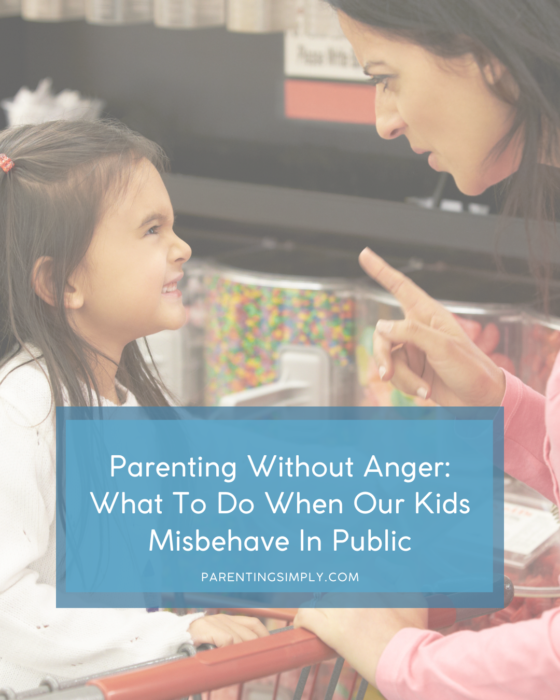
It is probably one of the most embarrassing experiences for parents—child misbehavior in public. At home, it can feel exhausting. In public, it can feel overwhelming, stressful, and even humiliating.
The truth is: every parent experiences it. What matters most is how you respond in the moment—and how you treat yourself afterward.
Here are four practical, realistic strategies to help you handle these moments with more calm and confidence.
1. Get out fast when possible
When your child is having a tantrum in a supermarket, refusing to share at the park, or running through a restaurant, the most helpful first step is often to exit the situation quickly.
Removing your child from the audience reduces pressure for both of you. It also allows you to respond more calmly and effectively.
If you can’t leave immediately, focus on safety and containment.
One mother described standing calmly over her child during a public meltdown at a crowded attraction while others stared. Her mindset helped her stay grounded: “Once they have kids, they’ll understand.”
Another parent shared how her son interrupted an important meeting at school. Instead of spiraling into shame, she used calm self-talk:
- “It doesn’t matter what others think.”
- “I am a good parent; this was a moment.”
- “Mistakes happen.”
- “I can address this calmly with my child.”
These internal messages matter more than the external looks.
2. Don’t judge—yourself or others
One of the biggest triggers in moments of child misbehavior in public is judgment—especially self-judgment.
Many parents unconsciously replay judgments they’ve made about others in similar situations. That internal voice can become harsh when their own child acts out.
When we soften our judgment of others, we often become softer with ourselves.
A teacher once reflected that she judged parents whose children misbehaved in class. But when her own children behaved similarly, she realized how quickly those assumptions turned inward.
Letting go of judgment creates more emotional space for patience and problem-solving.
3. Don’t go (when you don’t have to)
Sometimes the most effective strategy is prevention.
If you know your child is in a phase where public settings are especially challenging—new sibling adjustment, developmental stage, tiredness—it may be wise to temporarily avoid high-stimulation environments.
This is not avoidance. It is smart parenting strategy.
There will always be seasons where expectations need to shift. Adjusting your outings is a form of proactive emotional management—not failure.
4. Take care of yourself first
Managing child misbehavior in public is significantly harder when you are already depleted.
Your emotional regulation depends heavily on your physical and mental state. Sleep, nutrition, movement, and rest are not luxuries—they are parenting tools.
When you are regulated, you are more able to:
- Stay calm under pressure
- Respond rather than react
- Model emotional control for your child
Taking care of yourself is not selfish—it directly improves your parenting capacity.
Final Thought
Public meltdowns are not a reflection of your parenting success or failure. They are part of raising developing humans.
The goal is not perfection—it is calm, consistent response and self-compassion along the way.
- Parenting guidance on behavior expectations:
American Academy of Pediatrics – HealthyChildren.org - Emotional regulation and child behavior support:
Psychology Today – Parenting articles
Frequently Asked Questions (FAQ)
What should I do when my child misbehaves in public?
The most effective first step is to stay calm and, if possible, remove your child from the situation. Getting out of the environment reduces pressure, helps your child reset, and allows you to respond without an audience.
Is it normal for children to have tantrums in public?
Yes. Public tantrums are a normal part of child development. Young children are still learning emotional regulation, impulse control, and social expectations. These skills take time and repeated practice to develop.
How do I stop feeling embarrassed when my child acts out in public?
It helps to reframe the situation. Most people are not judging you as harshly as it feels in the moment. Using calm self-talk (“I am handling this,” “This is a normal phase”) can reduce shame and help you stay grounded.
Should I avoid going out if my child often misbehaves?
Sometimes, yes—temporarily. If your child is going through a particularly challenging phase (tiredness, transitions, new sibling, developmental stage), reducing high-stimulation outings can be a helpful short-term strategy.
How can I discipline my child in public without escalating the situation?
Focus on calm, brief, and consistent responses. Avoid long explanations or emotional reactions in the moment. Address behavior quietly, set a clear boundary, and follow up later if needed in a calmer environment.
What is the most important thing to remember during public misbehavior?
Your child’s behavior in one moment does not define your parenting. Staying regulated, consistent, and calm is far more effective than reacting out of stress or embarrassment.
You can learn more in my book, Parenting Simply: Preparing Kids for Life, filled with practical parenting tools you can use right away.
Or, if you are looking for step-by-step guidance to become a calmer, more confident parent, check out my online course, Simple Ways to Parent Without Anger.
Did you hear? I have a new podcast! Simply Jewish Parenting. Subscribe here!
Want to learn more?
👉Positive Parenting Phrases: Small Changes in Language Big Changes in Cooperation
👉Why Kids Argue More Today (and Why Parents Feel So Stuck)