

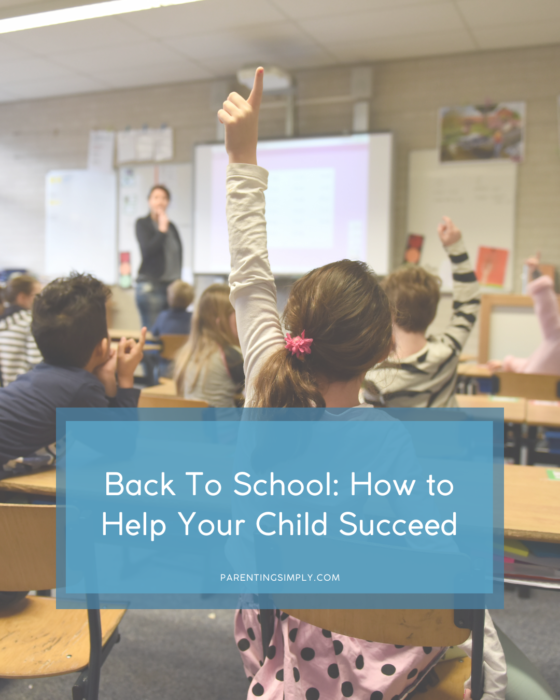
Helping Kids Love Learning: Why Grades Aren’t the Only Measure of Success
As parents, many of us assume that good grades automatically lead to future success. But helping kids love learning may actually matter more than a report card full of A’s. While academic achievement is valuable, placing too much emphasis on grades can affect a child’s confidence and sense of self-worth.
Some of the most successful people in history struggled in traditional school settings, including Albert Einstein and Steve Jobs. Success is not limited to what happens inside a classroom. Children have unique strengths, talents, and interests that may not fully emerge until later in life.
Instead of focusing only on grades, consider focusing on helping kids love learning and develop curiosity that lasts a lifetime.
Focus on Helping Kids Love Learning Through Curiosity
Parents often use grades as a measure of classroom success and ask questions like:
- “How did you do on your test?”
- “Why didn’t you get an A?”
- “You need to study more!”
Instead, shift the conversation toward curiosity and learning:
- “What was the most interesting thing you learned today?”
- “Did anything surprise you today?”
- “What made you curious today?”
- “Tell me something new you discovered.”
Children who become curious learners are often more motivated and engaged because they begin learning for its own sake rather than simply for grades. Curiosity supports lifelong learning and resilience.
Every once in a while tell your child:
“I care more about you enjoying learning than about getting perfect grades. I want you to discover what interests you and learn more about it.”
Ironically, when children understand that grades are not the only thing that matters, they often take school more seriously themselves.
For more ideas on encouraging positive behavior and motivation, check out Parenting Simply: Teaching Kids Responsibility and Parenting Simply: Positive Parenting Strategies
Create Simple Routines That Support Learning
Helping kids love learning also means creating an environment that reduces stress and helps children feel successful.
Simple routines can make a huge difference:
- Set up a predictable homework routine.
- Ask your child when they feel most productive.
- Encourage them to participate in creating their own schedule.
- Use calendars or visual reminders.
When children help create routines, they are often more invested in following them.
On days without homework, encourage activities that keep the brain active:
- Puzzles
- Word searches
- Building projects
- Board games
- Reading
- Outdoor play
Sleep Helps Children Learn and Thrive
Sleep is essential for learning, concentration, memory, and emotional regulation. Children who do not get enough sleep may struggle with attention and school performance. Research shows that insufficient sleep can affect academic performance and overall well-being.
Recommended sleep amounts vary by age:
- School-aged children (6–12): 9–12 hours
- Teens: 8–10 hours
Parents can learn more through the CDC Sleep Recommendations
Be Involved Without Becoming Overbearing
Children benefit when parents show interest in learning without creating pressure.
Try to:
- Create a quiet homework space
- Be available for questions
- Read together
- Encourage effort rather than perfection
Research on growth mindset suggests that children often thrive when adults emphasize effort and progress rather than outcomes alone.
Organization Can Reduce Stress for Kids
Organization skills are not always natural for children, but they can be taught.
Ask your child:
“What do you think would help you stay organized?”
Kids frequently come up with creative solutions:
- Color-coded folders
- Homework checklists
- Wall calendars
- Visual schedules
Remember that every child is different. The goal is not perfection; it is creating systems that support success.
Helping kids love learning means creating an environment where curiosity matters, mistakes are allowed, and children feel valued for who they are—not only for the grades they bring home.
What are some ways you encourage your child to enjoy learning? Share your ideas below.
Want to learn more? Read on here: