

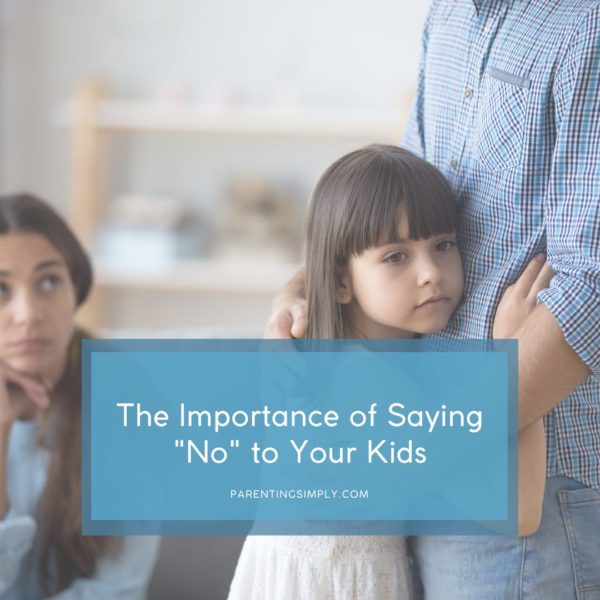
How to Say No to Kids Without Guilt
“Every time we go someplace with my kids they want snacks, souvenirs, or toys. If we buy a gift for someone else, they want one too. We are on a limited budget. How do I get them to stop asking for stuff?”
If you’ve ever wondered how to say no to kids without guilt, you are definitely not alone.
Many parents feel emotionally drained by the constant requests:
“Can I get this?”
“Why not?”
“That’s not fair!”
“Everyone else gets stuff!”
And after hearing complaints, whining, and endless negotiating, many parents eventually give in—not because they want to, but because they are exhausted.
But the real issue usually is not how to stop children from asking.
The real challenge is learning how to confidently and calmly say no.
Why Kids Keep Asking for Things
Children rarely stop asking for things if they believe there is still a chance their parent will eventually say yes.
Kids are incredibly persuasive when they want something. They may appeal to your sense of fairness:
- “You never buy us anything!”
- “That’s so unfair!”
- “Allie’s parents always let her get stuff!”
When that doesn’t work, they may move to guilt:
- “You’re so mean.”
- “I wish you were like other parents.”
As parents, we need to remember something very important:
Saying no does not make you selfish, unfair, or cruel.
It makes you responsible.
When you limit endless purchases, you are teaching children:
- impulse control
- delayed gratification
- frustration tolerance
- emotional regulation
These are critical life skills that help children grow into emotionally healthy adults.
According to Harvard University’s Center on the Developing Child, children develop stronger self-regulation skills when adults provide consistent limits and supportive guidance.
Wanting Things Is Completely Normal
Children are naturally driven to want things.
That desire is part of being human.
The drive to acquire, explore, and desire more is connected to curiosity, motivation, and ambition. In many ways, it helps people grow and succeed.
But children do not yet have the brain development needed to manage those impulses well.
That is why kids often feel:
- “I need it now.”
- “I have to have it.”
- “Everyone else has one.”
Their feelings are real.
And that is exactly why they need parents to lovingly set limits.
How to Say No to Kids Without Guilt
One of the most effective parenting strategies is learning how to combine firmness with empathy.
Your child can feel disappointed…
without you changing your answer.
Here are four simple ways to say no calmly and confidently.
1. Plan Ahead Before You Go Anywhere
Prepare children before entering a store, museum, amusement park, or event.
Children handle limits much better when expectations are clear beforehand.
You could say:
“Okay guys, we’re going to the museum today. We are going to enjoy looking around, but we will not be buying souvenirs.”
Or:
“We’re buying a birthday present for your cousin today, not toys for ourselves.”
Planning ahead reduces surprises and lowers emotional reactions.
The American Academy of Pediatrics explains that predictable expectations help children feel more emotionally secure and cooperative.
2. State the Rule Calmly
Children need clarity.
Instead of repeatedly debating the issue, calmly explain the boundary.
Try saying:
“I will not be listening to whining or repeated requests today.”
Or:
“If going into the gift shop feels too difficult without asking for things, you can stay outside with me.”
This helps children begin taking responsibility for their own behavior.
3. Use Empathy Before Problems Start
Many parents jump straight to correction.
But empathy lowers defensiveness.
Before entering the store, try saying:
“It can be really hard to look at fun things and not buy them.”
Or:
“Sometimes wanting things can feel frustrating.”
Then calmly repeat the limit:
“We’re still not buying anything today.”
Children cooperate better when they feel understood.
4. Stay Firm While Validating Feelings
If your child melts down, complains, or argues, try not to lecture or defend yourself.
Stay calm.
You can say:
“I hear how disappointed you are.”
“It’s hard to want something badly and not get it.”
“You’re really upset right now.”
But remember:
Empathy does not require changing your answer.
You can care deeply about your child’s feelings while still holding the boundary.
That is where emotional growth happens.
Teaching Gratitude in a Materialistic World
We live in a culture where children are constantly exposed to advertising, social comparison, and pressure to want more.
That makes parenting harder.
But saying no thoughtfully and consistently helps children develop:
- gratitude
- patience
- resilience
- emotional strength
Although it may feel uncomfortable in the moment, learning how to say no to kids without guilt is one of the greatest gifts we can give our children.
Because eventually, children who learn to tolerate disappointment become adults who can handle life’s frustrations with maturity and perspective.

One Response
well, am so much interested in your parenting advices , i do love it and feel it.I have passed thru so many hard times in my life (marraige and work)and know well the value of emotioal intelligence as a single best precious gift one can leave to his children and i guess EI should not be viewed as a gift from a parent to his child but rather as a main role or duty in parenting.