

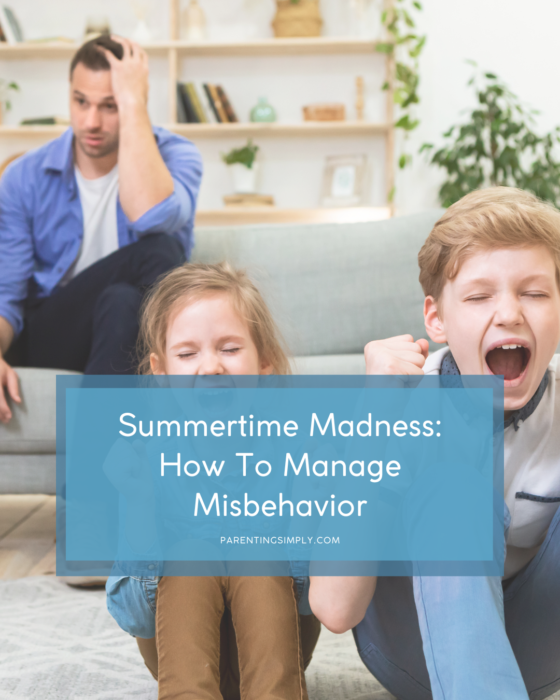
Managing Summer Misbehavior in Kids: How to Bring Calm Back to Your Summer
Summer brings freedom, sunshine, and a much-needed break from school routines. But it also brings something many parents don’t expect—an increase in misbehavior, irritability, and emotional dysregulation in kids.
When we think about managing summer misbehavior in kids, it helps to remember one simple truth:
Kids thrive on structure, even when they resist it.
During the school year, children rely on predictable routines. In the summer, those routines often disappear, and behavior can quickly become more chaotic—more whining, more arguing, more pushback.
The good news? A few intentional shifts can make a big difference.
1. Adjust Your Expectations
One of the most powerful tools in managing summer misbehavior in kids is adjusting expectations.
Summer is not a failure of parenting—it is a season shift.
This might mean:
- Dinner isn’t perfectly balanced every night
- Bedtime is flexible within reason
- Kids stay in pajamas longer than usual
- You overlook small power struggles you’d normally address
According to the American Academy of Pediatrics, children regulate better when expectations are consistent but realistic
HealthyChildren.org (AAP Parenting Resource)
When we lower the pressure, we often see fewer battles.
2. Create a Loose but Predictable Plan
Kids don’t need a rigid schedule in the summer—but they do need anchors in the day.
Sit down as a family and outline:
- Wake-up and bedtime ranges
- Screen time expectations
- Daily responsibilities (simple chores or routines)
- “Must-do” vs “flexible” activities
A predictable rhythm helps reduce anxiety and behavioral outbursts, especially when routines shift.
For more insight on how structure supports behavior, Child Mind Institute explains how predictable routines help children self-regulate
Child Mind Institute – Routines and Kids
3. Respond to Crankiness with Connection
Heat, boredom, overstimulation, and lack of structure can make kids more irritable.
Instead of reacting to every meltdown, try:
- Offering water and a snack
- Suggesting a break or quiet time
- Naming the feeling: “You seem really tired and frustrated”
- Reducing demands temporarily
A calm, connected response helps regulate the nervous system—yours and your child’s.
When kids feel understood, behavior often improves faster than with correction alone.
Final Thoughts
Managing summer misbehavior in kids doesn’t require perfection—it requires flexibility, connection, and a willingness to adjust expectations.
Summer will never be perfectly structured, and that’s okay. With a few simple strategies, you can reduce stress for both you and your children while still enjoying the season.
And yes—many parents find that by September, a return to routine actually feels like a relief.
Want to learn more? Read here:
👉When Your Child Melts Down in Public: What Calm Parents Do Differently
👉“This Is ALL You Bought Me?” — What To Do When Kids Sound Ungrateful